You answered a call from 865-338-7276 and now you’re wondering who it was, or you saw the number in your call log and worry it’s tied to a scam. Gamers are attractive targets: account inventories, linked payment methods, and unique IDs can be worth real money. This guide walks through what we know about 865-338-7276, how to spot phone-based scams aimed at gamers, how to verify a number’s reputation, and practical steps to protect your accounts and respond safely.
Table of Contents
ToggleQuick Overview: What We Know About 865-338-7276
865-338-7276 is a US-format number (865 is an area code for eastern Tennessee, including Knoxville). That geographic hint alone doesn’t prove anything: scammers spoof numbers or route calls through VoIP providers so the displayed area code can be misleading. Public chatter about this exact number is limited, searches for it return few credible reports, which suggests it’s not a widely reported, mass-targeting hotline. But absence of reports doesn’t equal safety.
In the gaming space, you’ll encounter three common scenarios involving unknown numbers: legitimate outreach (customer service, account verification), opportunistic social engineering (someone claiming to help recover an account), and outright scams (phishing to grab credentials or arrange SIM swaps). For 865-338-7276 specifically, treat it as unverified until you confirm ownership through independent lookup tools or direct channels tied to the game publisher or platform.
If you were contacted about a specific game account (for example, a support message mentioning your UID or recent purchases), keep the message content and timestamps. Those details become useful when verifying or reporting the contact to the game’s official support team.
Is This Number Linked To Scams Targeting Gamers?
The short answer: possibly, but not necessarily. Scammers frequently pivot to phone calls and texts when they can’t get results by email alone. For gamers, the attack patterns tend to focus on account recovery, transfer of items, or social-engineering requests to enable two-factor authentication changes.
You should treat any unsolicited call referencing account access, passwords, or multi-factor authentication as suspicious until verified. Two important context points matter: whether the caller knew specific, nonpublic details about your account, and whether they pressured you to act immediately (a classic urgency cue).
Steps To Verify Ownership And Reputation Of A Phone Number
Before trusting a caller who names your game account or UID, run a quick verification. Start with a reverse phone lookup to see whether the number is associated with a business, a VoIP provider, or flagged by other users. Consumer review pages and phone directories can show if others reported harassment or scams from that number.
For more rigorous checks, specialized reviews of lookup services explain their strengths and limits: for instance, tools that aggregate public records and user reports can flag repeat offenders. If you want to evaluate reverse-lookup services and how they handle unknown callers, a recent review of Whitepages‘ people-search and reverse phone lookup can help you understand what those tools return and their reliability.
Other verification steps:
- Search social and gaming communities: post the number in a private thread or search existing threads, other players may have encountered it.
- Contact the platform’s official support: link the call to your account and ask whether their policy includes unsolicited phone outreach.
- Check caller behavior: if they refuse to give verifiable details (a ticket number you can confirm in official support), assume fraud.
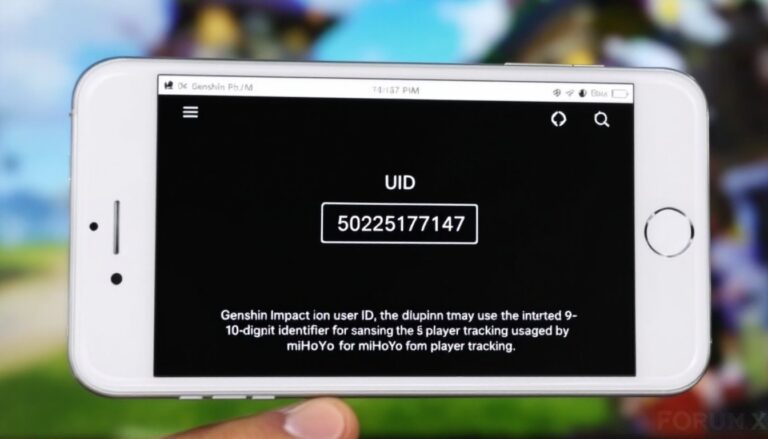
A note for Genshin Impact and similar games: numerical IDs (UIDs) are sometimes used by scammers to build plausible stories about account ownership. Knowing how UID digits map to regions can help you judge whether a caller’s claim about your region or platform makes sense, for example, resources that explain UID-region mapping show how numbers reveal server location and platform, which scammers sometimes misuse to feign legitimacy.
How To Protect Your Gaming Accounts And Respond Safely
Treat any unexpected call from 865-338-7276, or any unknown number, as untrusted until verified. Here’s a step-by-step action plan tailored for gamers.
Immediate response for a suspicious call
- Don’t give credentials: never tell passwords, verification codes, or full payment details over the phone. If a caller asks for a one-time code that just arrived via SMS, that’s a red flag.
- End the call politely: say you’ll contact support through the official app or website and hang up. Legitimate support teams expect that.
Account hardening
- Enable proper two-factor authentication: use an authenticator app or security keys rather than SMS where possible. SMS-based 2FA is vulnerable to SIM swap attacks, which are often preceded by social-engineering calls.
- Use unique, strong passwords and a password manager to avoid reuse across accounts.
- Check account activity: review login history, recent purchases, and device lists in the game or platform settings.
Dealing with compromised accounts
- If you suspect an account takeover, immediately change your password and revoke sessions/devices linked to the account.
- Open a support ticket with the game publisher and provide any evidence (screenshots, timestamps, the number that called). If the caller referenced your UID or purchase, include that detail.
- If a SIM swap is suspected, e.g., you lost SMS 2FA unexpectedly, contact your mobile carrier in person or via their secure channel. Don’t rely on phone-based “help” from unknown numbers for carrier issues.
Reporting and community safety
- Report the number to your game’s official support and to platform incident pages. Also add the number to community scam threads so other players can be warned.
- If the caller attempted fraud, report the call to the relevant consumer protection agency and your carrier. You can also file a report with the Federal Trade Commission or equivalent in your country.
Practical habits to reduce risk
- Verify support channels: bookmark the official support pages for the games you play and never follow links sent in unsolicited calls or messages.
- Limit public account details: don’t publish UIDs or account emails in public profiles. Small bits of data make social engineering easier.
- Use payment controls: where possible, remove saved payment methods from accounts and add them only when making a purchase through the official client.
Tools and resources
- Run periodic reverse lookups if you get odd calls: some people use consumer lookup services to check new numbers. For a technical overview of how reverse phone lookup reviews work, see this evaluation of Whitepages’ lookup features.
- When callers reference numeric game IDs, remember those digits can map to regions or servers: guides explaining UID mapping can help you judge claims that reference your region.