You spotted 9084184013 in a lobby, a server list, or pasted in chat, and now you’re wondering what it actually means. Numeric IDs like 9084184013 pop up across PC, console, and mobile games: they can be friend codes, match IDs, item references, or just garbage from a clipboard. This guide walks gamers through pragmatic steps to identify, verify, and safely use unknown game IDs in 2026. By the end you’ll know which tools to grab, which community resources to trust, and when an ID is harmless or potentially risky.
Table of Contents
ToggleWhy Unknown Numeric IDs Matter To Gamers
Numeric IDs, like 9084184013, matter because they’re often the key that unlocks multiplayer connections, friend lists, and shared content. For esports players and streamers, a single ID can mean the difference between reconnecting to a ranked match or losing placement points. For modders and community hosts, IDs route players to private servers, items, or user-created maps.
But there’s a flip side. IDs can be phished, reused, or repurposed by bad actors who want to trick you into joining malicious servers or handing over account details. Even simple mistakes, entering a lobby code in the wrong game version, can waste time or corrupt saves in rare cases. That’s why learning to identify an ID’s origin, meaning, and trustworthiness is useful whether you’re casual or competitive.
Practically, treating unknown numeric IDs as actionable data is the same as handling a clickable invite: verify the source, check context, and avoid pasting them into credential prompts. Over the next sections we’ll break down how to do that, step by step, across platforms and communities.
How To Identify 9084184013
Identifying an unknown ID starts with context. Ask: where did it appear (in-game chat, Discord, forum)? What surrounding text or tags are present (“lobby”, “match”, “friendcode”)? From there, run quick checks with platform tools, community resources, and a healthy dose of metadata inspection. Below are practical checks broken into three approachable methods most gamers can do in minutes.
Platform Tools To Check (Steam, Console, Mobile, Account Systems)
Start inside the platform. Many platforms expose or let you search by ID.
-
Steam and other PC storefronts: Steam uses numeric IDs for profiles and some multiplayer session identifiers. If you suspect 9084184013 is a Steam-related identifier, paste it into the Steam profile search or the browser URL format (steamcommunity.com/profiles/ID), if it resolves to a profile, you’ve found the origin. For certain indie games, session or server IDs are visible in the game’s UI or command console.
-
Consoles (PlayStation, Xbox, Nintendo): These ecosystems tend to use alphanumeric gamertags rather than long numeric-only IDs, but some match or lobby systems (especially cross-play titles) will surface numeric match IDs in game logs. Check the game’s recent activity or match history screens instead of the console OS itself.
-
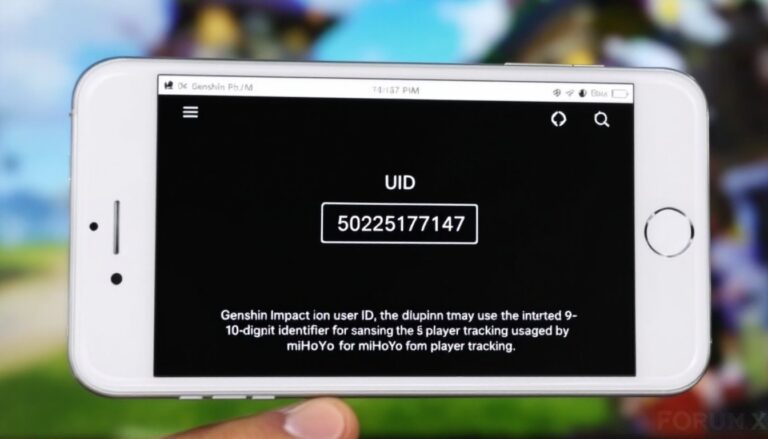
Mobile games: Many mobile titles use numeric identifiers for reports, support tickets, or friend invites. Look in the game’s profile or settings where a “Copy ID” option often lives.
-
Account systems and APIs: For advanced checks, the game’s public API or developer console can confirm whether an ID corresponds to a user, match, or asset. If you’re unsure how to proceed, search the game’s official support docs or ask community moderators before using the ID.
If the ID appears tied to a specific game (for example, a match or player reference), you can often validate with community guides, for PC examples that walk through locating game IDs and folders, refer to a specific Core Keeper walkthrough that explains finding IDs and navigating Steam install files in practice. This kind of guide shows the exact places to look when a numeric ID looks like a multiplayer code.
Safety, Practical Uses, And Troubleshooting
Safety first. Treat unknown numeric IDs like links sent by strangers.
-
Don’t enter IDs into account pages or password fields. Legitimate friend codes and match IDs are pasted into in-game join dialogs, not into login forms. If a prompt asks you to authenticate with credentials after you paste an ID, stop immediately.
-
Privacy tradeoffs: Some IDs reveal identifiable profile data when looked up, consider whether you’re comfortable exposing your own ID. If you share 9084184013 publicly, anyone can try to join or look you up in games that allow ID searches.
-
Practical uses: Once verified, IDs let you join private matches, report issues to support (send a match ID to expedite investigations), and add friends across platforms that support numeric identifiers. Tournament admins often rely on match IDs for replays and dispute resolution.
-
Troubleshooting connection failures: If a join fails, check version parity (game updates frequently break cross-play), region filters, and whether the lobby is private or full. Console-to-PC compatibility, NAT settings, and third-party overlays can also block joins. Clearing cached data or using the platform’s “join by ID” feature often fixes transient failures.
-
When to escalate: If an ID looks malicious, for example, it leads to a server that prompts downloads or account linking, report it to moderators and platform support immediately. For broader discussion about identity and verification tradeoffs, you can read analyses that examine digital ID wallets and privacy concerns to understand the risks of sharing identifiers in online ecosystems.
Balancing convenience and security is the core skill here: IDs streamline play, but a small verification step prevents most problems.
Conclusion
9084184013 might be nothing, a match code, or a direct link to another player, and your next move should always be verification. Use platform tools first, lean on up-to-date community guides second, and interpret metadata carefully before joining or sharing. A few minutes of checking saves wasted matches, lost rank, and potential security headaches. Keep your reports documented, and when in doubt, ask moderators or support, game communities tend to respond quickly to well-evidenced queries.