You spotted 5042766402 in a friend list, a server log, or on a support ticket and wondered: what is that long number and should you care? Numeric IDs like 5042766402 crop up across PC, console, and mobile ecosystems, sometimes as harmless internal identifiers, other times as account handles you can use to add friends or report issues. This guide walks through likely meanings, practical ways to trace an ID back to its origin, common everyday uses and troubleshooting tips across platforms, and the privacy steps every gamer should follow when sharing or using numeric IDs.
Table of Contents
ToggleWhat 5042766402 Could Represent In Gaming Ecosystems
Numeric strings like 5042766402 are flexible: they’re used as database keys, player IDs, device identifiers, order or transaction numbers, or even session tokens in logs. Which one it is depends heavily on context. A few common possibilities gamers encounter:
- Account or player ID: Many platforms assign a unique numeric ID tied to your account record. Unlike your display name, these stay stable even if you change usernames.
- Platform-specific identifier: Consoles and services sometimes use region-scoped IDs (for example, internal PlayStation or Xbox identifiers). These can surface in support emails or crash reports.
- Game-specific ID: Some games create their own user reference numbers, think of “hunter IDs” or friend codes used to add players directly in certain titles.
- Transaction or order number: If you see the number in billing or store logs, it might be a purchase or refund reference rather than a person.
- Session, device, or server log token: Technical logs will often show long numeric tokens tied to a session: these aren’t meant for friend lists but can leak in debug dumps.
Clues to narrowing it down: where you saw the number, surrounding text (words like “transaction”, “order”, “friend”), and whether the number appears in a public profile versus a private log. For players of franchise titles, community resources often map which format belongs to which system, for example, several hunt-based games use a fixed-length hunter ID you can share to join parties or view stats. If you’re managing multiple platforms, remember the same numeric sequence can exist on different services with zero relation to each other.
How To Trace The Origin: Tools And Methods For Identifying An ID
Start with basic detective work: context, platform, and where the number appeared. From there, use targeted tools and methods:
- Reproduce the context
- If you saw 5042766402 in a game chat, try clicking profile links or right-clicking the name. If it’s in an email, check headers or ticket metadata for service names.
- Search official help and community docs
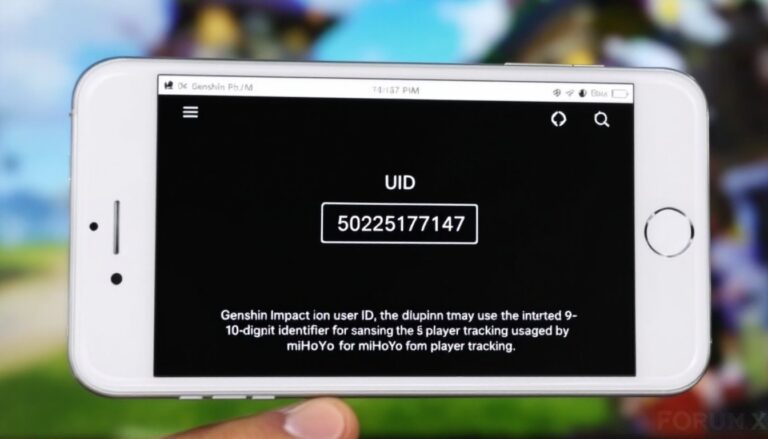
- Game wikis and official support pages sometimes explain where to find IDs and what they’re called. For example, some titles publish instructions that show exactly where to find a “hunter ID” and how to use it to add friends or look someone up in-game. If you need a precise walkthrough for locating a hunter-style identifier, the community guide on how to check your hunter ID offers step-by-step screenshots and usage notes.
- Platform account pages
- Log into the account linked to the platform you suspect. Many platforms display an account number or allow you to export account data where an internal ID will be visible.
- In-game tools and console diagnostics
- Some games expose profiles with an ID field you can copy. Consoles also have activity logs and debug menus (for advanced users) that reveal persistent identifiers.
- Use support channels correctly
- If the number appears in a billing or support interaction and you need clarification, open a ticket with the platform and include where you found the number and a screenshot. Never paste authentication tokens or passwords.
- Community lookup tools
- A handful of external services and community sites allow looking up player stats by numeric ID. Use these cautiously, always verify the service’s reputation and avoid entering passwords.
When tracing, prioritize privacy: don’t probe someone else’s account or attempt to brute-force lookups. Often the simplest path is asking the owner what that number represents, many players share a quick note like “that’s my friend code” and save you a lot of guesswork.
Practical Uses, Troubleshooting, And Common Scenarios In PC, Console, And Mobile Games
Once you know what a numeric ID is, here’s how gamers actually use it and what to do when things go wrong.
PC gaming
- Use cases: friend lists, stat lookup, competitive ladders, and support tickets. Several multiplayer PC titles let you search by numeric ID when display names are duplicated.
- Troubleshooting: if friend requests don’t go through, double-check for leading zeros or copy/paste errors. If a platform complains the ID isn’t found, confirm you’re searching in the correct region or game shard.
Console gaming
- Use cases: console friend codes or internal account IDs often link across store purchases and trophies.
- Troubleshooting: console ecosystems sometimes mask parts of an ID for privacy. If a purchase dispute or transfer involves a number like 5042766402, gather receipts and console-specific identifiers (serial numbers) when contacting support.
Mobile gaming
- Use cases: guild invites, customer service references, and cross-play linking. Mobile games frequently use numeric IDs for account recovery and social features.
- Troubleshooting: mobile clients may tie an ID to device data. If your account appears under the wrong ID after reinstalling, check cloud-save settings and the platform account (Apple/Google) you used.
Cross-platform notes
- Friend name collisions are common: many services prefer numeric IDs because they’re unique and unchanging. If you’re trading codes in community spaces, paste them into a plain-text message and confirm the recipient typed it back to avoid mistakes.
When reporting bugs, include the numeric ID, a timestamp, and reproduction steps. That gives devs a precise pointer and speeds up fixes. And if you’re a streamer or tournament admin, consider masking long IDs in public logs to avoid accidental doxxing.
Safety, Privacy, And Best Practices When Sharing Or Using Numeric IDs
Numeric IDs are not inherently dangerous, but mishandling them can leak privacy or enable targeted abuse. Follow these best practices:
- Treat IDs like quasi-personal data: avoid posting them publicly with identifying context (username, clan, or region) unless you intend to be contacted.
- Share only what’s necessary: for help desks, a transactional ID is fine: for public forums, use a partial redaction (e.g., 5042****) if you need to ask a question.
- Verify the requestor: don’t give your account ID to strangers who claim to be support staff without verifying through the official support channel.
- Use platform privacy settings: limit who can send invites or see your profile by adjusting privacy options in the platform or game.
- Consider digital identity tradeoffs: new tools like digital ID wallets can simplify age verification and account recovery, but they also create centralized points of data collection that can raise privacy risks. For a balanced look at those tradeoffs, the recent article on digital ID wallets discusses both security benefits and potential privacy downsides.
If you suspect an ID has been used maliciously, for phishing, doxxing, or harassment, collect evidence (screenshots, timestamps) and report to the platform immediately. Most services have procedures for handling threats that reference an account ID. Finally, when linking third-party services to games, use platform-approved OAuth flows rather than pasting credentials or raw IDs into unknown websites.
Conclusion
5042766402 could be harmless, or it could be the key to fixing a support case or adding a friend. Context is everything: where you saw the number, the surrounding labels, and the platform all point to its meaning. Trace carefully, share sparingly, and use official channels when in doubt. Do that, and numeric IDs become useful tools instead of privacy hazards.